Extreme temperatures create serious challenges for industrial components, especially when equipment operates continuously under demanding conditions. Conventional plastics often struggle to maintain their mechanical properties during prolonged heat exposure.
As temperatures rise, materials can lose strength or change dimensions, compromising equipment performance. High-performance plastics offer a reliable alternative for applications that demand consistent thermal resistance.
These advanced materials help manufacturers develop durable components without sacrificing precision. Knowing which plastics perform best under continuous high heat exposure helps engineers make informed material decisions that support long-term reliability.
Why Continuous Heat Exposure Requires Specialized Plastics
Continuous heat exposure places considerable stress on plastic components. Unlike temporary temperature spikes, sustained heat can gradually weaken a material’s molecular structure and affect its mechanical properties. Engineers must evaluate how plastics respond to prolonged thermal conditions rather than relying exclusively on maximum temperature ratings.
The operating environment also influences material performance. A component that handles extreme heat without mechanical loading may behave differently when constant pressure is introduced. Understanding these relationships helps engineers select plastics that maintain their intended performance throughout demanding operating cycles.
1. PBI for Extreme Temperature Resistance
Polybenzimidazole (PBI) ranks among the highest-performing engineering plastics for extreme-temperature applications. Its exceptional thermal stability lets it maintain useful mechanical properties in environments that exceed many conventional polymers. Engineers frequently consider PBI when equipment must withstand prolonged exposure to exceptionally high temperatures.
PBI also offers impressive compressive strength and excellent wear resistance. These characteristics make it particularly valuable for precision components in semiconductor manufacturing equipment. Its ability to withstand demanding operating conditions helps reduce the likelihood of premature component deterioration.
However, PBI comes with a relatively high material cost. Manufacturers typically reserve it for specialized applications where less expensive alternatives cannot meet performance requirements.
2. Polyimide for Precision Components in Harsh Environments
Polyimide provides outstanding thermal stability while maintaining reliable mechanical performance during prolonged heat exposure. Its resistance to dimensional changes makes it especially valuable for components that require precise tolerances. Engineers often consider polyimide for applications where extreme temperatures challenge conventional engineering plastics.
The Vespel material family includes specialized polyimide grades with excellent wear resistance. Certain formulations also provide low-friction performance, making them useful for components that experience repeated mechanical movement. These properties support demanding applications where conventional lubrication may prove impractical.
3. Torlon® PAI for Strength Under Heat and Load
Torlon® polyamide-imide (PAI) combines exceptional mechanical strength with impressive resistance to elevated temperatures. This high-performance thermoplastic maintains useful stiffness under conditions that cause many engineering plastics to deform. Its mechanical properties make it especially valuable for components that experience heavy loads during operation.
One of Torlon®’s most important advantages is its creep resistance. When manufacturers place components under constant pressure, some plastics gradually change shape over time. Torlon® helps minimize this movement, allowing precision-machined parts to maintain reliable dimensional performance.
Engineers can also choose specialized grades that support different mechanical requirements. Certain formulations emphasize wear resistance, while others prioritize structural strength. Matching the material grade to the application helps manufacturers achieve dependable results without introducing unnecessary costs.
4. PEEK for Versatile High-Temperature Performance
Polyetheretherketone (PEEK) remains one of the most widely recognized high-performance engineering plastics. It offers an excellent balance between thermal resistance and mechanical strength, making it suitable for demanding industrial environments. PEEK can maintain useful properties during continuous operation at elevated temperatures.
Its chemical resistance provides another important advantage. Components that encounter aggressive industrial substances need materials that can withstand exposure without experiencing significant deterioration. PEEK resists many chemicals, but engineers must still verify compatibility with the specific substances involved.
PEEK also supports precision machining for components that require tight dimensional tolerances. This flexibility makes PEEK a practical starting point for engineers evaluating high-temperature material options.
5. PPS for Chemical Resistance and Consistent Thermal Performance
Polyphenylene sulfide (PPS) provides dependable thermal resistance while offering excellent compatibility with many industrial chemicals. Its relatively low moisture absorption helps maintain dimensional stability in changing operating environments.
PPS also offers useful electrical insulation properties. These characteristics make it suitable for certain electrical components that must operate reliably near heat-generating equipment. Its resistance to chemical deterioration can further support long-term performance in specialized industrial environments.
Compared with some premium high-temperature polymers, PPS may offer a more economical solution. However, its mechanical properties require careful consideration because certain formulations can be brittle. Engineers should evaluate expected operating stresses before selecting PPS for critical components.
6. PEI for Thermal Stability and Electrical Insulation
Polyetherimide (PEI), commonly available under the Ultem® brand, offers reliable thermal stability for demanding engineering applications. Its combination of mechanical strength and electrical insulation makes it particularly useful in equipment that generates substantial heat. PEI also offers inherent flame resistance, supporting applications with strict material safety requirements.
Manufacturers frequently machine PEI into precision components that require consistent dimensional performance. Its rigidity helps maintain structural integrity when operating temperatures rise beyond the capabilities of conventional engineering plastics. This reliability makes it a practical material for certain aerospace and industrial equipment applications.
How to Select the Right Plastic for Continuous High Heat
Choosing a high-temperature plastic requires more than identifying the material with the highest thermal rating. Engineers must understand the actual operating environment and determine which performance characteristics matter most. A premium material may offer exceptional heat resistance but add little value if the application doesn’t require it.
Several considerations can help guide material selection:
- Continuous operating temperature: Determine the temperatures the component must withstand during normal operation.
- Mechanical loading: Evaluate whether sustained pressure could cause deformation over time.
- Chemical exposure: Confirm that the plastic can tolerate substances present in the operating environment.
- Wear resistance: Consider how repeated movement may affect the component’s service life.
- Dimensional stability: Identify how much thermal expansion the assembly can accommodate.
- Material cost: Balance performance requirements against the project’s manufacturing budget.
Engineers should also review manufacturer technical data before finalizing material specifications. Published temperature ratings often reflect particular testing conditions rather than guaranteed performance in every application
Why Precision Machining Matters for High-Temperature Plastics
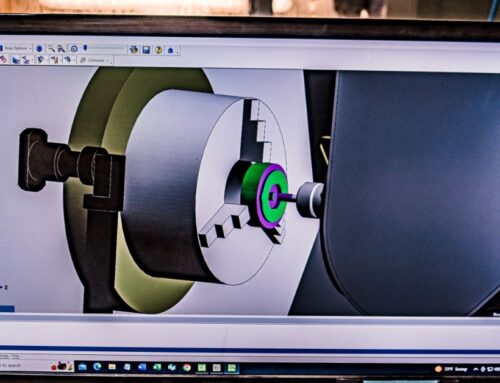
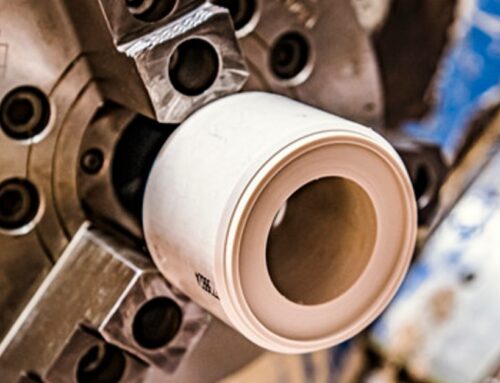
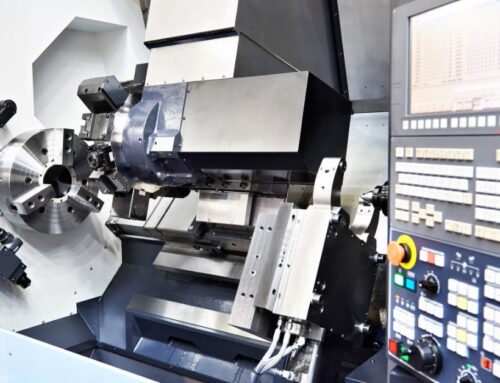
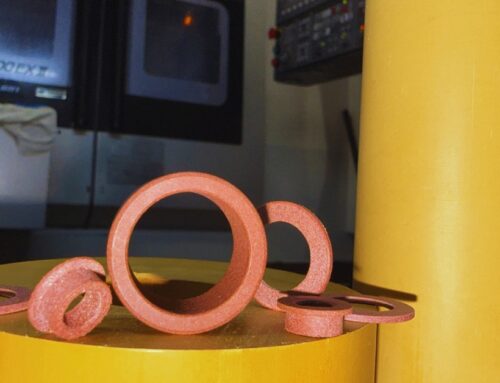
Selecting an appropriate material represents only part of the manufacturing process. High-performance plastics require careful machining techniques because each polymer responds differently to cutting forces. Excessive heat generation during machining can introduce unwanted stress that affects the finished component.
Precision machining also helps maintain dimensional accuracy. Components that operate at elevated temperatures must account for thermal expansion during the design process. Experienced machinists understand how material behavior influences machining strategies and can help manufacturers achieve demanding tolerance requirements.
Plastics Machining Inc. specializes in custom precision-machined components for industries that require exceptional accuracy. Our experience with advanced engineering plastics supports manufacturers facing demanding material requirements. Working with knowledgeable machining professionals helps ensure the finished component meets the needs of its intended application.
Choosing the Best Plastic for Long-Term Heat Resistance
No single engineering plastic provides the ideal solution for every high-temperature application. Each plastic can withstand continuous high heat exposure, but engineers must evaluate it against their actual operating requirements.
Successful high-temperature component design depends on choosing materials that match the application’s demands. Precision machining further supports reliable performance by helping components maintain the dimensions their assemblies require.
Plastics Machining Inc. specializes in custom precision-machined plastic components that meet the demanding requirements of high-temperature industrial applications. With expertise in advanced engineering plastics and ultra-tight tolerances, we help manufacturers achieve reliable performance in challenging environments. Contact us today to find the right high-performance plastic for your application.

Leave A Comment