Automotive engineering keeps pushing components to handle more heat, more demanding operating conditions, and longer service expectations. At the same time, manufacturers continually look for ways to reduce weight without sacrificing the performance critical systems require. These competing demands have increased interest in high-performance polymers.
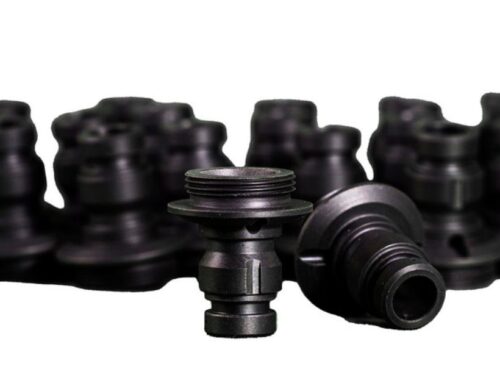
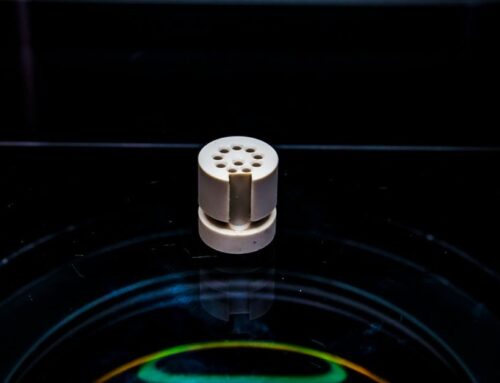
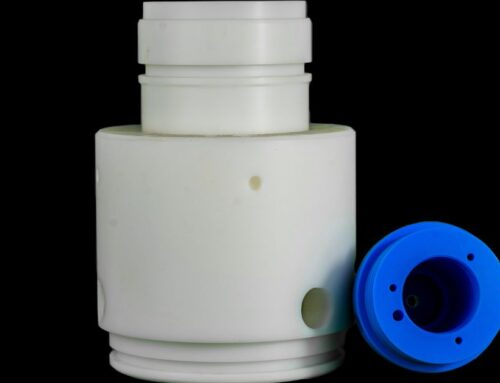
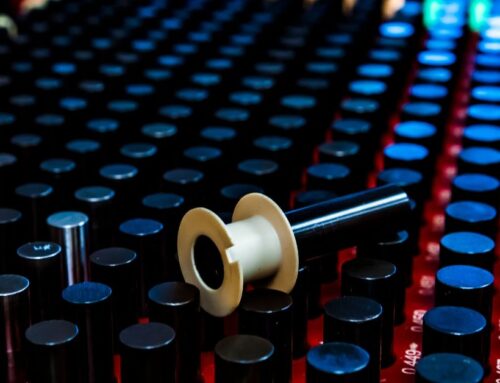
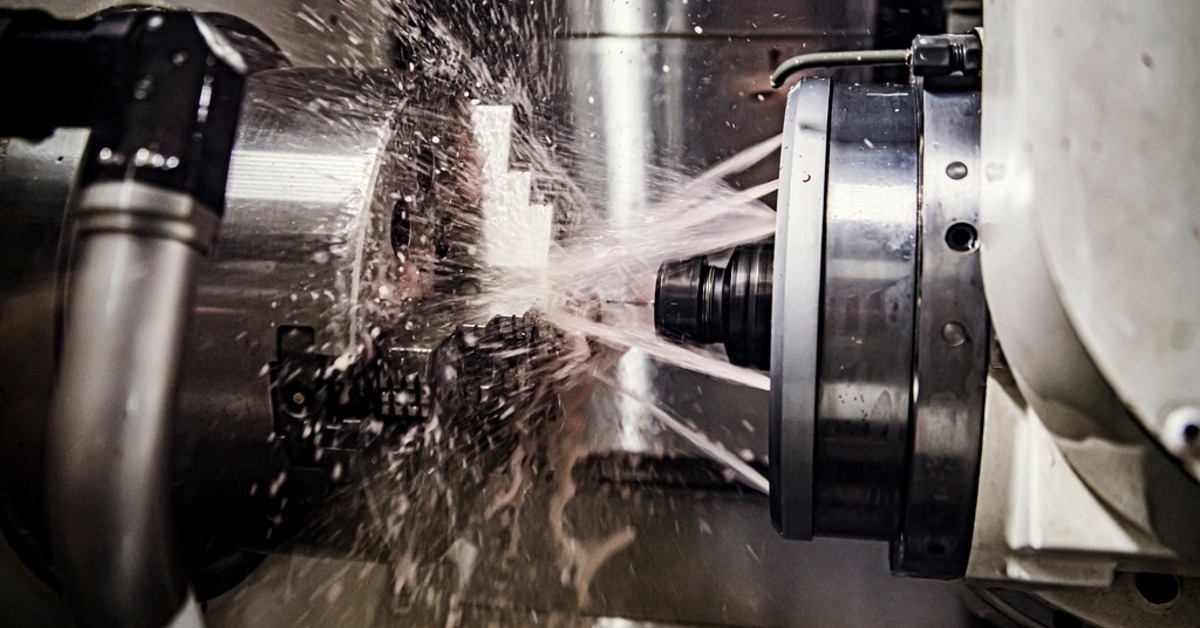
Polyether ether ketone, commonly known as PEEK, gives engineers a useful combination of mechanical and chemical properties. Manufacturers can machine this high-performance thermoplastic into precise components for demanding automotive applications.
These capabilities help explain why the automotive industry uses PEEK materials. It is especially valuable when conventional plastics cannot provide enough performance and metal creates unnecessary weight or other design limitations.
PEEK Handles Demanding Automotive Environments
Vehicles expose components to changing temperatures, vibration, mechanical loads, chemicals, and repeated movement. Materials that perform well under mild conditions may lose dimensional stability or mechanical strength once engineers place them near engines, transmissions, electrical systems, or other demanding assemblies.
PEEK maintains useful mechanical properties across a broad operating range. Its high melting temperature and strong resistance to thermal degradation give engineers more freedom when designing components for areas that experience sustained or intermittent heat. This capability can help manufacturers maintain consistent component performance in compact automotive systems.
The material also resists wear and fatigue. These characteristics matter when parts experience repeated movement or loading throughout a vehicle’s service life. Engineers can therefore consider PEEK for components where long-term mechanical reliability matters as much as initial strength.
Heat Resistance Supports Under-Hood Applications
Modern vehicles pack significant technology into increasingly tight spaces. Turbochargers, electrical equipment, exhaust-related systems, and powertrain components can create demanding thermal conditions. Engineers must select materials that can tolerate these conditions without excessive deformation or loss of mechanical performance.
PEEK’s thermal capabilities make it suitable for consideration in high-temperature areas where many commodity plastics fall short. Manufacturers can use machined components to support applications that require precise geometry while operating near substantial heat sources.

Low Weight Helps Manufacturers Improve Efficiency
Automotive manufacturers have pursued vehicle weight reduction for decades. Every component contributes to total vehicle mass, so replacing appropriate metal parts with lighter materials can support broader lightweighting strategies.
PEEK has a much lower density than common engineering metals while offering substantial mechanical performance for a thermoplastic. This difference creates opportunities to reduce component weight in carefully selected applications.
Engineers may consider several characteristics when evaluating a metal-to-polymer conversion:
- Required mechanical strength under expected operating loads
- Continuous and peak temperatures surrounding the component
- Exposure to automotive fluids, fuels, lubricants, or cleaning chemicals
- Dimensional tolerances required for proper assembly
- Friction and wear conditions during operation
- Expected service life and maintenance requirements
No single property determines whether a conversion makes sense. Engineers must examine the complete operating environment before choosing a material.
Chemical Resistance Protects Critical Components
Automotive components encounter far more than air and water. Depending on their location, parts may contact fuels, oils, transmission fluids, coolants, cleaning products, and other substances. Materials that swell or degrade after chemical exposure can quickly compromise component reliability.
PEEK provides broad chemical resistance that suits many demanding environments. This characteristic allows engineers to consider the material for components that need to retain their physical properties and dimensions after exposure to aggressive substances.
Chemical stability can become especially important when a component uses tight tolerances. Even relatively small dimensional changes can affect sealing, alignment, movement, or fit within an assembly. Choosing a material that tolerates the expected chemical environment helps engineers protect the precision they established during component design and machining.
Wear Performance Makes PEEK Useful for Moving Parts
Some automotive components face constant friction rather than extreme loads. Bearing-related parts and other moving interfaces need materials that can maintain predictable performance through repeated motion. Excessive friction can create heat and accelerate component wear.
Machining further expands the possibilities for these components. Precision machining lets manufacturers control features such as diameters, grooves, wall thicknesses, and mating surfaces without needing a dedicated mold for every design. That flexibility proves useful during prototyping and lower-volume production.
Designers still need to account for actual loads, speeds, temperatures, mating materials, and lubrication conditions. Careful material selection and component design work together to achieve reliable wear performance.

Dimensional Stability Supports Precision Automotive Parts
Automotive assemblies often depend on extremely controlled relationships between neighboring components. A slight dimensional change can affect alignment or alter how a component interacts with surrounding hardware. Precision therefore extends beyond the machining process itself; the selected material must maintain appropriate stability during operation.
PEEK plastic offers strong dimensional stability compared with many conventional thermoplastics. Its relatively low moisture absorption also helps reduce dimensional changes that environmental moisture can cause in some polymer materials.
Manufacturers can machine PEEK to tight tolerances with suitable tooling, process controls, and machining strategies. Experienced machinists consider the behavior of high-performance polymers instead of treating them like aluminum or steel.
This expertise matters for automotive engineering teams that require prototypes or production components with complex geometries. Proper machining practices help translate an engineered drawing into a component that meets demanding dimensional requirements.
Electrical Properties Support Vehicle Electrification
Electric and hybrid vehicles continue to create new material challenges. High-voltage architectures and supporting hardware require materials that can perform in environments where electrical and thermal demands often intersect.
PEEK provides strong electrical insulation characteristics alongside its thermal and mechanical capabilities. That combination can make it useful for insulating specialized applications where engineers need more than basic dielectric performance.
Material selection becomes particularly important as manufacturers make electrical systems smaller and more powerful. Compact assemblies may expose nearby components to higher temperatures while still requiring reliable electrical isolation.
Precision Machining Supports Automotive Development
Automotive engineering rarely moves directly from an initial concept to full-scale production. Teams build prototypes, conduct tests, modify geometries, evaluate materials, and repeat the process until a component meets its performance goals. Manufacturing flexibility can make those development cycles more efficient.
CNC machining allows engineers to create highly precise PEEK components directly from stock shapes. Teams can evaluate new dimensions or features without waiting for new injection molding tooling each time the design changes. This approach can shorten the path from design revision to physical testing.
Once a design matures, engineers can choose the manufacturing method that best supports the required volume, geometry, tolerances, and economics. Precision machining remains particularly useful when dimensional accuracy and production flexibility take priority.
Choose PEEK Components for the Right Application
PEEK materials offer an impressive range of properties, but the automotive industry should select it because the application requires those capabilities, not simply because the material performs well. Temperature, load, chemical exposure, friction, electrical requirements, tolerances, and production volume all influence the decision.
Material grade matters as well. Different formulations can provide different mechanical, friction, thermal, or dimensional characteristics. Engineers should define operating conditions clearly before selecting a grade and finalizing component geometry.
At Plastic Machining Inc., we specialize in custom precision-machined components with ultra-tight tolerances for demanding industries. Our experienced team helps manufacturers turn advanced material properties into reliable finished components while maintaining the dimensional control that sophisticated automotive applications require. Contact us today to learn more about our material machining services.